Pre-Season Greenhouse Checklist
Structural Checks and Cleaning
- Wash Glazing: Scrub panels inside and out with mild soap to remove algae and dirt, which maximizes light transmission during short winter days.
- Inspect Seals: Check weatherstripping on doors and windows; caulk or tape gaps to block cold drafts.
- Clear Gutters: Remove leaves and debris from gutters and downspouts to prevent ice dams and overflowing water.
- Sanitize Interior: Disinfect benches, trays, and floors to eliminate hidden fungal spores and pests.
- Remove Shade Cloth: Remove exterior shade cloth to maximize light transmission during the shorter days of the winter season.
Heating and Environmental Systems
- Test Heaters: Clean burner assemblies, check fuel or gas lines, test thermostats, and verify pilot lights or igniters.
- Check Exhaust & Intake: For heaters, check exhaust stacks/vent pipe and intake air duct or ports for obstruction (birds and critters).
- Check Boiler Systems: Check boiler systems for operation and general maintenance.
- Inspect Energy Curtains (Shade): Check/replace fabric and energy seals, lubricate racks/pinions, and check drives.
- Install Alarms: Set up a low-temperature backup monitor or alarm to alert you if heating fails.
- Add Insulation: Line interior walls (especially north and east exposures) with horticultural bubble wrap to retain warmth. Check inflation systems on structures with two layers of polyethylene covering.
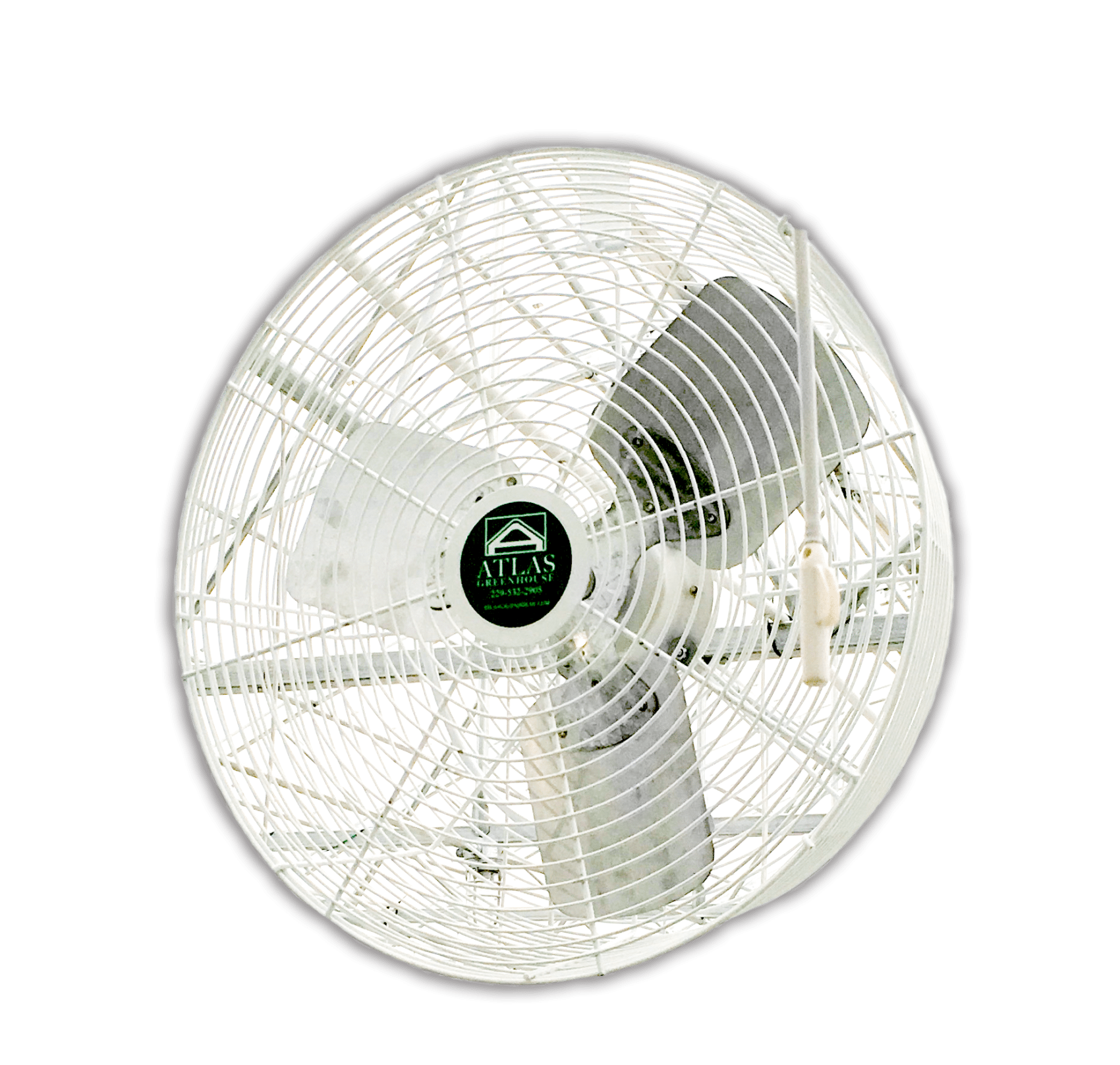
- Check Ventilation: Ensure automated or manual vents can still open slightly on mild days to control destructive humidity.
- Check Shutters: Make sure shutters are closing fully to keep excessive cold air from entering the greenhouse.
Water and Irrigation
- Drain Hoses: Empty outdoor lines, hoses, and water barrels to prevent freezing and cracking.
- Adjust Watering: Switch to sparing, early-morning watering routines so excess moisture evaporates before nightfall.
Proper airflow and mindful watering are critical when managing low temperatures and high humidity during the colder months.
Grow Light Cleaning and Inspection
- Disconnect Power: Disconnect power before touching any hardware.
- Clean Lenses: Wipe LED lenses and housing using a soft cloth with a weak vinegar and water mix to clear lime scale and dirt.
- Clear Dust: Blow out dust from driver heat sinks and cooling fins using low-pressure air.
- Inspect Cords: Examine cords for fraying, cracks, or loose connections.
- Check Fixtures: Check hanging cables and ratchets to make sure fixtures are secure.
Testing and Automation
- Power On: Power on fixtures to check for flickering, dimming, or dead diodes.
- Test Controllers: Test controllers and automatic timers to confirm correct daily schedules.
- Measure Light Levels: Measure light levels with a PAR or lux meter to verify proper intensity.